
Client feedback in practice: what our roundtable brought into focus

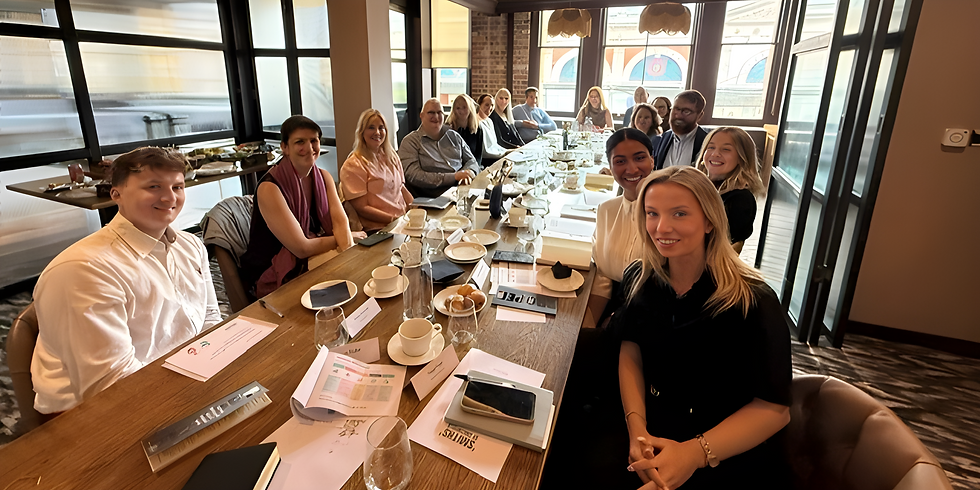
On 2 September, Chorus brought together some of the key people responsible for client feedback in UK professional services.
The roundtable explored three linked challenges: getting people to participate, turning feedback into usable insight, and making sure someone follows through.
These are the takeaways Chorus shared with participants after the event.
Getting the firm involved
Complete buy-in is an unrealistic starting point. Several participants felt that spending disproportionate effort on the most reluctant 20% can slow everyone else down. It is often better to work with willing colleagues, demonstrate value and let momentum bring others in.
That does not mean listening only to the clients partners nominate as safe. A broader default invitation, backed by leadership, helps reveal more of the real relationship.
Some teams had used partner opt-out rather than partner nomination; others found that champions, examples of action taken and stoking a little fear of missing out helped bring colleagues on board.
Listening early in onboarding can also test whether the firm is delivering on its initial promise.
Choosing the right way to listen
Surveys can reach more people, triage issues and track change. Interviews uncover context, nuance and the unexpected. They complement rather than replace one another. Start with the decision the insight needs to inform, then choose the method.
One useful suggestion was to ask directly what frustrates clients, while keeping the listening conversation distinct from a sales conversation.
Public reviews matter for reputation and visibility, including in AI-assisted recommendations, but they do not tell the full story of a client relationship. A programme needs room for private, candid conversations as well as measures that can be tracked over time.
Closing the loop
Participants repeatedly came back to follow-up as the hardest part of any programme. Insight has little effect unless there is a named owner, a recorded commitment and a way to check progress. The relationship partner or the feedback team might lead an action, but responsibility should be clear. A check-in after an agreed number of weeks can keep promises from disappearing into a CRM footnote.
Sharing praise as well as problems helps teams engage. Clients should also hear what changed because they spoke up. Tracking commitments and responses, rather than simply counting interviews or producing reports, gives a better view of a programme’s value.
Where AI helps and where it does not
The strongest immediate use cases were analysing interview transcripts and comments, finding patterns across historic feedback, and helping the right people receive the right insight and next action.
Participants discussed prompt libraries and using a corpus of transcripts, with careful anonymisation and consent around sensitive client material.
The room was much less comfortable with AI conducting the client interview itself. For an important relationship, sending an automated interviewer can signal that the client is not worth a human conversation.
AI can help process and distribute insight; the judgment, trust and accountability still sit with people.
Join us
To join one of our future roundtable sessions, sign up here.


Comments